EN853 2SN vs SAE 100R2AT: Similarities and Differences
EN853 2SN vs SAE 100R2AT: Are they same or different?
When selecting high-pressure hydraulic hoses, EN853 2SN and SAE 100R2AT are two commonly encountered specifications. They are often considered equivalent hose types because they share a very similar construction and are designed for comparable hydraulic applications.
However, EN853 2SN and SAE 100R2AT are not the same standard. EN853 2SN belongs to the European EN standard system, while SAE 100R2AT is defined under the SAE J517 hydraulic hose standard.
Key Similarities
Both hose types generally feature:
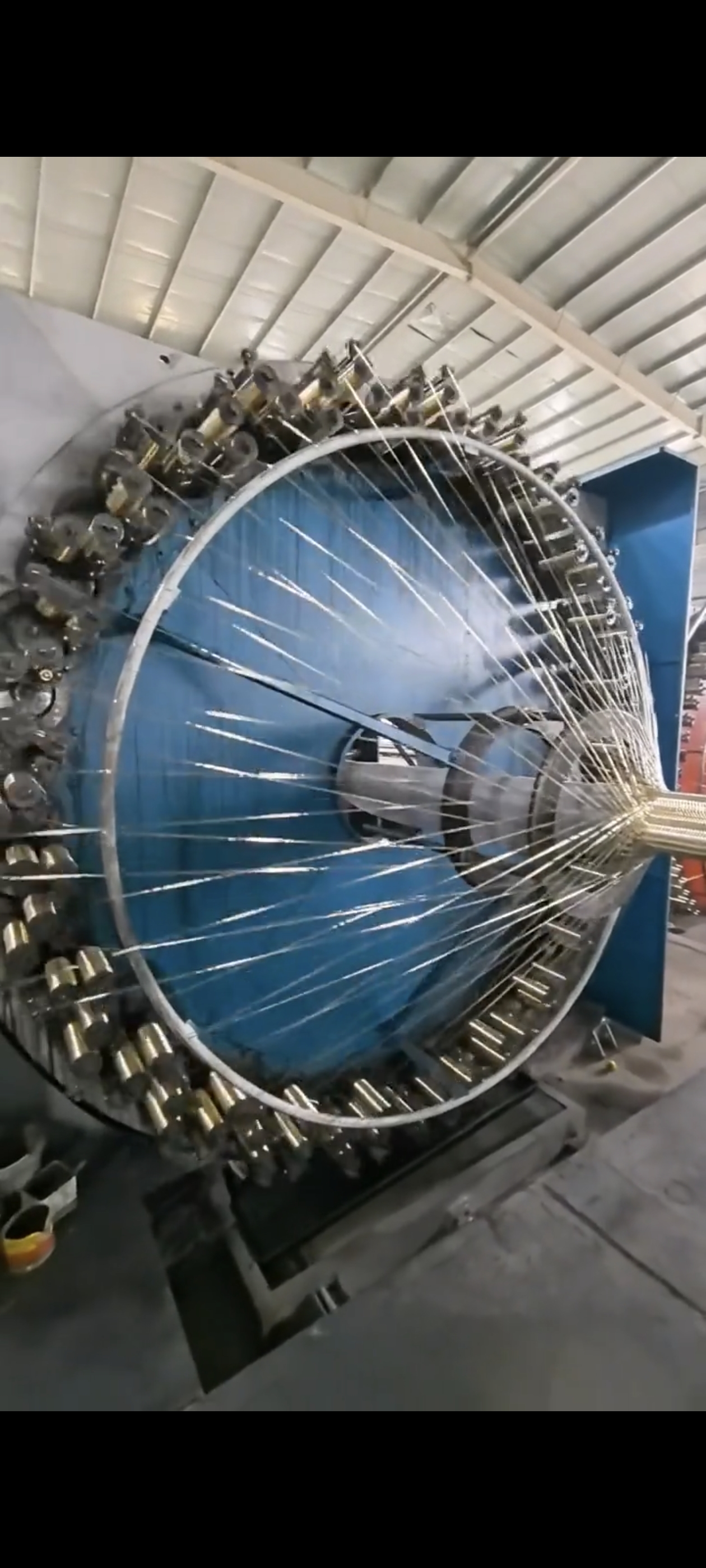
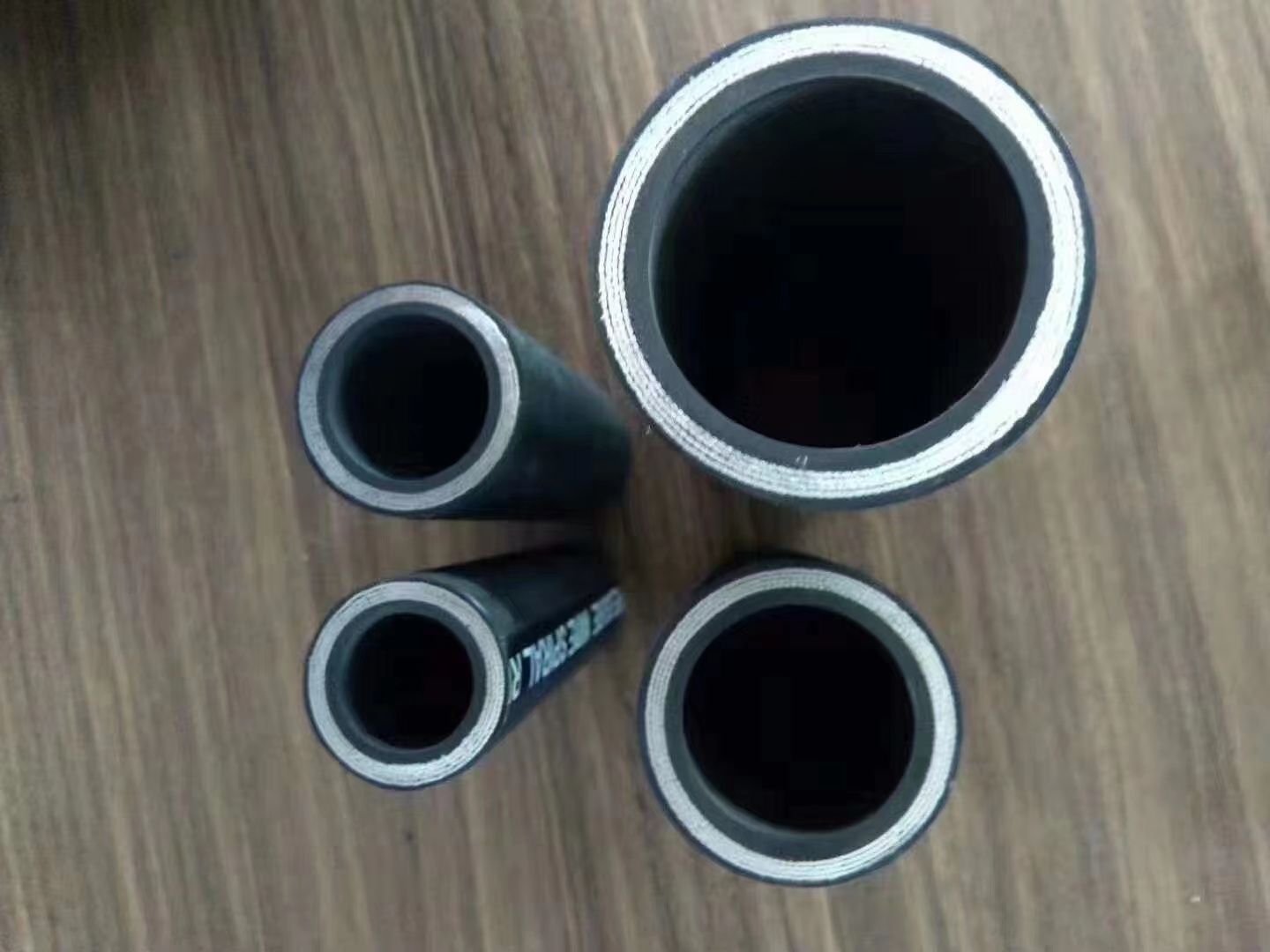
- Two layers of high-tensile steel wire braid reinforcement
- Oil-resistant synthetic rubber inner tube
- Oil- and weather-resistant synthetic rubber cover
- High-pressure hydraulic applications
- Similar operating temperature ranges in typical products
- Wide use in construction machinery, agricultural equipment, industrial machinery and mobile hydraulics
Because of these similarities, EN853 2SN is frequently used as a practical alternative to SAE 100R2AT, depending on the application and the manufacturer's specifications.
Key Differences
The main difference is the standard itself.
| Item | EN853 2SN | SAE 100R2AT |
|---|---|---|
| Standard system | EN | SAE J517 |
| Reinforcement | 2 steel wire braids | 2 steel wire braids |
| Typical application | High-pressure hydraulics | High-pressure hydraulics |
| Construction | Similar | Similar |
| Dimensions | Defined by EN requirements | Defined by SAE requirements |
| Pressure requirements | EN specification | SAE specification |
The exact working pressure, minimum bend radius, dimensions and performance requirements can vary by hose size and manufacturer. Therefore, a hose should not be selected solely because its marking says “2SN” or “R2AT.”
Are EN853 2SN and SAE 100R2AT Interchangeable?
In many applications, yes — but not automatically.
They are very close in construction and application, and many manufacturers market them as corresponding hose types. However, when replacing one with the other, engineers should verify:
Size → Working Pressure → Temperature → Bend Radius → Fluid Compatibility → Fitting & Crimp Specification
This is especially important for hydraulic hose assemblies, where the hose, fittings and crimping parameters must be compatible. SAE J517 also specifies that the allowable working pressure of an assembled hose system cannot exceed the applicable lower pressure rating of the hose and connectors.
Conclusion
EN853 2SN and SAE 100R2AT are similar two-wire braided high-pressure hydraulic hoses, but they are based on different standards.
For general hydraulic applications, they can often serve similar functions. However, for engineering replacement or hose assembly production, always compare the actual technical data rather than treating the two standards as automatically identical.
EN853 2SN vs SAE 100R2AT — Similar construction, similar applications, different standards.